
Solar Solutions in UAE: A Smart Investment for Businesses

Solar Solutions in UAE: A Smart Investment for Businesses
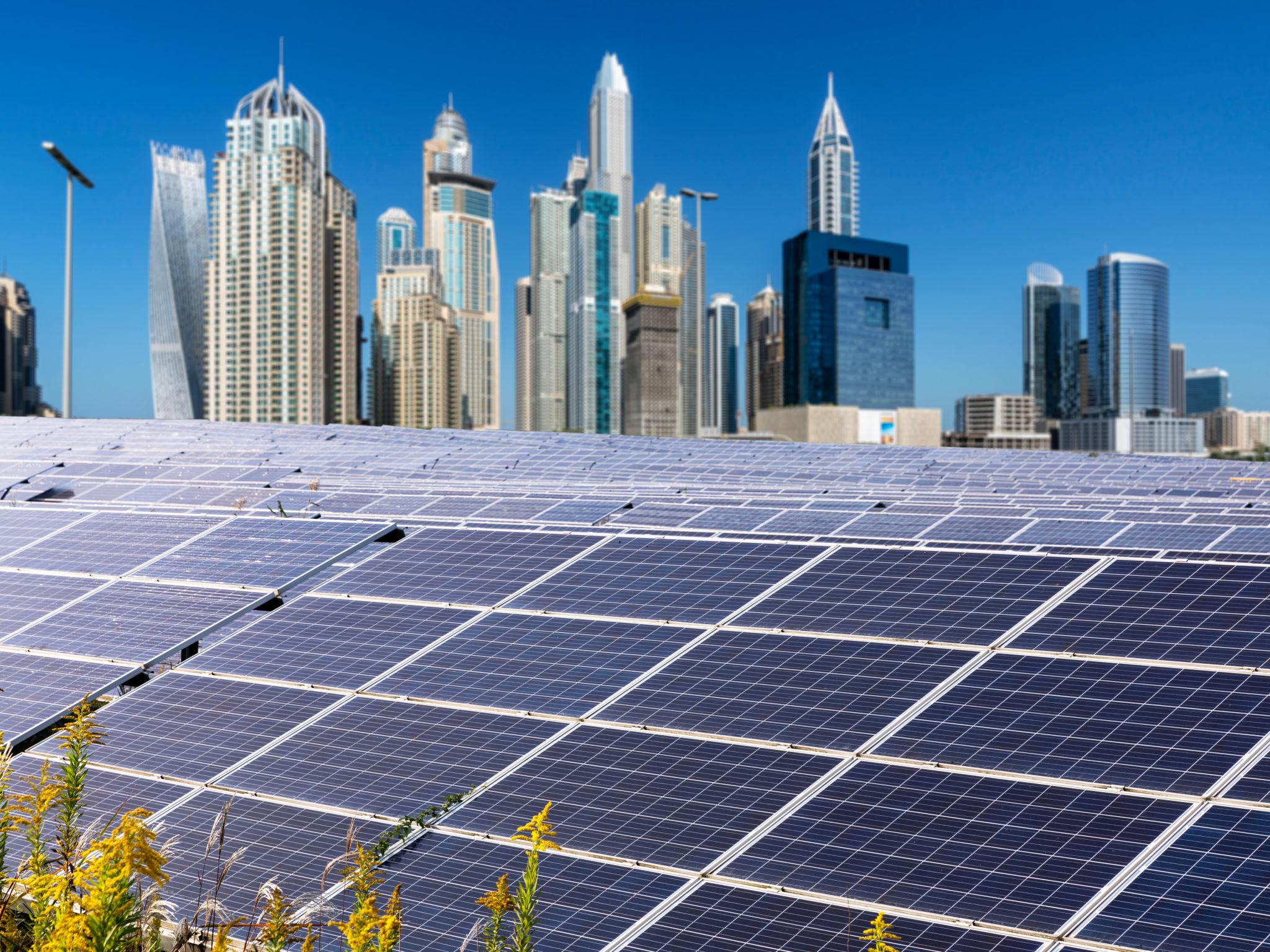
Across the UAE, businesses are under growing pressure to reduce operating costs, improve energy resilience, and meet sustainability targets. Solar solutions in UAE have emerged as one of the most practical, high-impact investments for commercial organizations—delivering predictable savings, strengthening environmental credentials, and aligning with national clean-energy ambitions.
From Dubai’s commercial towers to Abu Dhabi’s industrial zones and across the wider UAE, solar photovoltaic (PV) systems are helping companies lower electricity bills, hedge against tariff volatility, and future-proof operations. This comprehensive guide explains how solar works for businesses, the financial case, technical considerations, regulatory landscape, and best practices for maximizing returns.
Why Solar Solutions in UAE Make Business Sense
The UAE offers exceptional solar potential, with high solar irradiance, long daylight hours, and a business-friendly environment for clean-energy projects. For organizations, solar solutions in UAE deliver a compelling combination of:
- Immediate cost reduction: Lower grid electricity consumption and reduced demand charges.
- Predictable energy pricing: Fixed or stabilized energy costs over the system lifetime.
- Operational resilience: Solar + storage options can reduce exposure to outages and peak pricing.
- Brand and stakeholder value: Stronger ESG positioning, tenant appeal, and regulatory readiness.
- Long asset life: Modern solar PV systems typically operate reliably for 25+ years with proper maintenance.
Whether you operate a warehouse, office building, retail center, hotel, manufacturing plant, or mixed-use development, solar can be tailored to your load profile and site constraints.

The UAE Energy Landscape and the Shift to Renewables

The UAE has made significant commitments to clean energy through initiatives such as the Dubai Clean Energy Strategy 2050 and Abu Dhabi’s renewable energy programs. These national and emirate-level strategies are accelerating investment in solar parks, distributed generation, and energy efficiency.
For businesses, this momentum translates into a more mature ecosystem: experienced solar EPC (Engineering, Procurement, and Construction) providers, advanced inverters and monitoring platforms, improved financing options, and clearer pathways for grid interconnection and net metering arrangements where applicable.
Solar solutions in UAE are no longer an emerging trend—they are a mainstream infrastructure upgrade for forward-thinking organizations.
How Commercial Solar PV Systems Work
A typical commercial solar PV system includes:
- Solar panels (modules): Convert sunlight into direct current (DC) electricity.
- Inverters: Convert DC to alternating current (AC) for building loads.
- Mounting structures: Rooftop, carport, or ground-mount systems designed for wind, heat, and dust.
- Monitoring platform: Real-time performance tracking, alerts, and analytics.
- Electrical infrastructure: Switchgear, protection devices, meters, and integration with the building’s distribution system.
- Optional storage (battery): Stores excess solar energy for evening use or backup power.
Modern systems are designed for maximum energy yield, safety, and long-term reliability—especially critical in the UAE’s high-temperature and high-dust environment.
Key Benefits of Solar Energy for Businesses

Investing in solar energy for businesses in the UAE offers benefits that extend beyond electricity savings:
- Lower operating expenses (OpEx): Reduce monthly utility bills and demand charges.
- Energy price hedging: Lock in predictable energy costs for decades.
- Improved asset value: Solar-equipped buildings are more attractive to tenants and buyers.
- Regulatory and ESG alignment: Supports green building certifications and corporate sustainability targets.
- Reduced carbon footprint: Direct emissions reduction that strengthens climate reporting.
- Enhanced resilience: Solar + battery can support critical loads during grid stress.
These advantages make commercial solar UAE a strategic investment rather than a discretionary upgrade.
The primary driver for adopting solar energy is financial performance. Installing a robust solar system can significantly lower utility bills and improve the bottom line.
Key Financial Advantages:
- Reduced Electricity Bills: Businesses can offset up to 40–60% of their energy consumption depending on system size and roof capacity.
- Short Payback Period: In the UAE, the average payback period for commercial solar installations ranges between 4 to 6 years, with systems lasting 25+ years.
- Protection Against Tariff Hikes: Locking in self-generated power shields businesses from future electricity price increases.
- Increased Asset Value: Green-certified buildings attract higher valuation and premium tenants who prioritize sustainability.
UltraSmart provides detailed financial modeling for every client, ensuring transparency on ROI solar power expectations before installation begins.
Key Components of a Commercial Solar System
A high-performance solar installation requires more than just panels. It demands an engineered ecosystem designed for durability and efficiency.
UltraSmart selects tier-1 components proven to withstand the high-heat and dusty conditions of the Gulf region, ensuring longevity and consistent output.
Frequently Asked Questions (FAQ)
About Solar Solutions in UAE
Typically, 10–15 square meters are required per kilowatt (kW) of installed capacity. UltraSmart conducts a site survey to determine exact feasibility.
Yes. Modern panels are rated for high temperatures. UltraSmart uses tier-1 modules designed specifically for Gulf climates to ensure durability.
Most high-quality panels come with a 25-year performance warranty, while inverters typically have a 5–10 year warranty. UltraSmart provides extended support options.
Yes, many banks and green finance initiatives offer loans for renewable energy projects. UltraSmart can connect clients with financing partners.
Depending on system size, most commercial installations are completed within 4–8 weeks after approval.